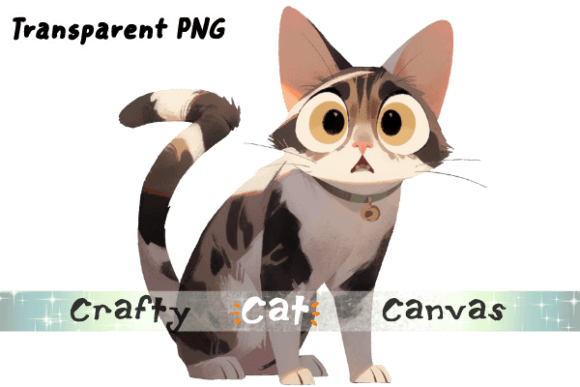
The Unexpected Power of the Shocked Cat PNG
The Shocked Cat image—that wide-eyed, meme-famous feline expression—has transcended its viral origins to become a staple in the toolkit of modern creators. As a high-quality PNG file with a transparent background, sized at a perfect 10″ x 10″ inches at 3000×3000 pixels and 300DPI, it represents a powerful, versatile asset. Yet, its simplicity often leads to oversight. Many rush to use it without considering the critical factors that determine whether a project shines or simply feels slapped together.
Why This Specific File Format Matters
You might think any picture of a shocked cat will do, but the technical specifications of this particular file are its secret weapon. The 300DPI resolution at this large physical size ensures it is print-ready for everything from professional T-shirts to crisp badges without pixelation. The transparent background (the alpha channel in the PNG) means you can place the cat seamlessly over any color or pattern in your Word document, PowerPoint slide, or book cover. Treating this as just another internet meme is the first, and most costly, misunderstanding. It is, in fact, a professionally scalable vector-equivalent graphic.
Common Pitfalls in Application and Usage
Even with a perfect file, application errors can undermine your entire design. One frequent mistake is incorrect scaling. While the image can be shrunk down infinitely for a tiny stamp design, enlarging it beyond its 3000px native dimensions will cause quality loss. Always scale down, not up. Another overlooked detail is layer ordering in complex designs. For scrapbooks or collages, placing the Shocked Cat PNG on top of busy textures without considering visual hierarchy can make it disappear. It should serve as a focal point or intentional accent, not just another layer.
The Cost of Ignoring Context and Audience
Because the Shocked Cat is so universally recognizable, creators often deploy it without tailoring its use to the message. On a flyer for a serious community fundraiser, the shocked expression might convey alarm appropriately. On a pamphlet for a relaxing yoga studio, however, the same image could send a conflicting, stressful vibe. This misalignment affects communication and audience satisfaction. The cat’s emotion is specific—surprise, alarm, disbelief—and should complement your content’s tone, not contradict it.
Practical Advice for Integrative Design
Before you drag and drop the file into your project, pause. Ask yourself: What is the primary emotion or reaction I want to elicit? If it’s humor or gentle surprise, the Shocked Cat works. If it’s calm or trust, choose another asset. For technical integration, always check your software’s PNG handling. Some older or basic design programs might render transparency as a white box. Test it first on a colored background. When using it for infographics, let it serve as a visual punctuation mark for key data points or warnings, not as decorative filler.
Evaluating Quality and Source Before Commitment
Not all Shocked Cat PNGs are created equal. If you are downloading or buying this asset, verify the specifications match the 3000×3000px, 300DPI, transparent background standard. Lower-resolution files will look blurry on physical products, betraying a cheap presentation. Also, check the license. For commercial use on T-shirts or patches, you need clear rights to reproduce the image. Using a file with ambiguous licensing can risk your entire small business project.
A Better Approach: Strategic Placement
Think of the Shocked Cat as a versatile design component, like a bold font or a color accent. For example, in a PowerPoint presentation about market risks, placing the cat next to a key statistic about unexpected losses makes the data memorable and relatable. In a blog header about surprising facts, embedding it subtly within the title text can increase engagement. The goal is integration, not domination. Balance its strong visual weight with ample white space or a complementary color scheme to ensure your design feels cohesive and professional.
What to Check Before Your Final Decision
Make a quick checklist. Is my use case primarily print (stickers, shirts) or digital (web, documents)? Print demands the 300DPI resolution; digital is more forgiving, but the high resolution future-proofs your work. Does my design software support alpha transparency properly? Have I considered the cultural context—is the meme still relevant and positive for my target audience of adults 20-50? Finally, does the shock emotion align with my core message? A moment of reflection here prevents a moment of regrettable design later.
Ultimately, this Shocked Cat PNG file is a remarkably potent tool. Its value lies not in its viral history, but in its technical perfection and emotional specificity. By avoiding the common traps of thoughtless scaling, context mismatch, and quality neglect, you unlock its full potential. Whether you’re a marketer crafting a campaign, an educator designing a engaging handout, or a hobbyist making a custom patch, treating this asset with the strategic consideration it deserves will elevate your work from merely using a meme to executing smart, effective visual communication.